
Make your products easier for AI to understand, compare and recommend.

Strengthening Upwork's position in AI-powered hiring discovery
Published LLM Listed case study
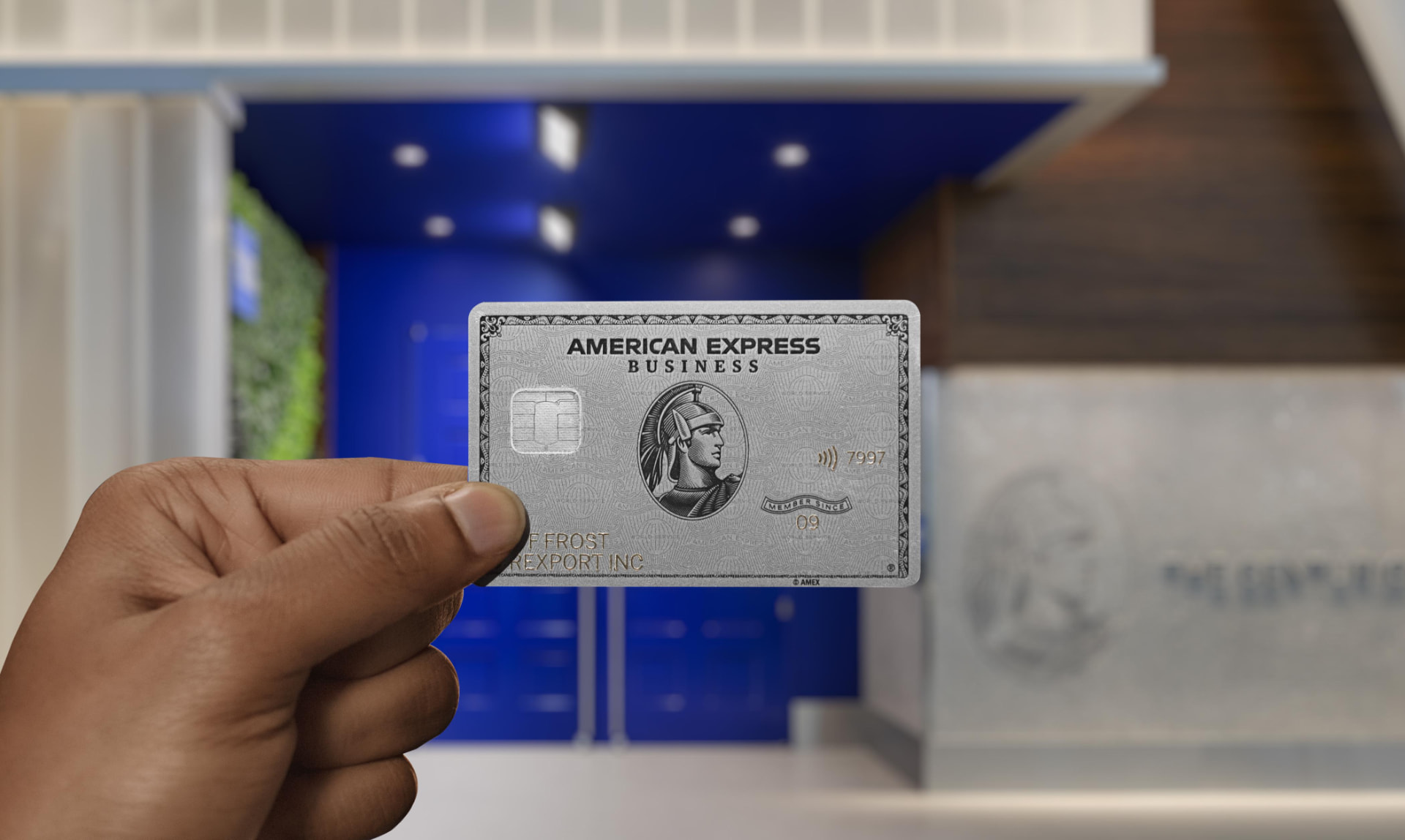
Competing for the most valuable business finance recommendations
Published LLM Listed case study

Building category authority across financial advice discovery
Published LLM Listed case study
AI Commerce & Product Discovery
Shoppers are using AI assistants to translate needs into criteria, compare products, find alternatives, check ingredients or compatibility and narrow a crowded market. AI Commerce & Product Discovery helps brands provide the complete, consistent evidence those systems need - from product data and category content to reviews, editorial authority and post-click measurement.
Our approach
Shoppers are using AI assistants to translate needs into criteria, compare products, find alternatives, check ingredients or compatibility and narrow a crowded market. AI Commerce & Product Discovery helps brands provide the complete, consistent evidence those systems need - from product data and category content to reviews, editorial authority and post-click measurement.
This is not a feed upload disguised as strategy. LLM Listed maps the conversations around your products, identifies why competitors enter the recommendation set, strengthens the information available across owned and third-party sources, and tracks how product visibility changes across the buyer journey.
Product evidence
AI is becoming a product-research layer
AI-assisted shopping is growing quickly, but the important story is not just traffic volume. It is how people use the channel.
Read the detail
AI-assisted shopping is growing quickly, but the important story is not just traffic volume. It is how people use the channel. Adobe’s August 2025 analysis covered more than one trillion visits to US retail sites and a survey of more than 5,000 US consumers. It found that 38% of respondents had used generative AI for online shopping; among those use cases, 53% used it for research and 40% for product recommendations. AI-referred visits were 32% longer, included 10% more pages and had a 27% lower bounce rate than non-AI visits in July 2025. Conversion still lagged non-AI traffic by 23% at that point, so the evidence described a strong research and consideration channel rather than an automatic transaction engine. (Adobe Digital Insights, August 2025)
By the 2025 holiday season, Adobe reported that AI-referred retail traffic had moved ahead of other sources on conversion in its dataset. The direction can change by period and market, which is exactly why brands need their own measurement rather than a generic benchmark. (Adobe 2025 holiday analysis)
The product information problem
A shopper can ask for “a fragrance-free moisturiser for sensitive skin under £80 that works beneath makeup” or “a compatible enterprise SSD with a five-year warranty available in the UK”. Those prompts combine attributes, constraints, use cases and trust requirements.
Read the detail
A shopper can ask for “a fragrance-free moisturiser for sensitive skin under £80 that works beneath makeup” or “a compatible enterprise SSD with a five-year warranty available in the UK”. Those prompts combine attributes, constraints, use cases and trust requirements. A product page that says “premium performance” but omits composition, compatibility, audience, evidence and availability gives an answer engine little to work with.
The relevant facts are often scattered. Specifications sit in a feed, ingredients in an image, certifications in a PDF, reviews on a marketplace and comparison logic in a customer-service agent’s head. Names vary between the website, merchant feed and retailer pages. Out-of-date availability or pricing remains indexed. The result is not just lower visibility; it can be the wrong recommendation.
AI Commerce & Product Discovery creates a coherent product evidence system. The goal is to help a qualified shopper understand fit and move confidently to the next step, not to force every product into every answer.
What we optimize
The five-stage engagement
What you receive
An AI shopping prompt map across category, use case, comparison and product questions. A product discovery baseline across agreed AI and AI-search surfaces.
Explore the scope
An AI shopping prompt map across category, use case, comparison and product questions.
A product discovery baseline across agreed AI and AI-search surfaces.
Product-data and taxonomy gap analysis.
Priority product, category, guide and comparison-page briefs or copy.
Structured-data and feed alignment recommendations.
Review-theme analysis and proof requirements.
Digital PR and third-party authority opportunities for priority products.
Measurement design connecting visibility to onsite and commercial behavior.
A rollout plan organized by commercial impact and implementation dependency.
Measurement that respects the commerce journey
Last-click revenue alone will understate a channel used for early research, while raw mention count will overstate a channel that sends unqualified traffic. We combine answer-level and site-level evidence.
Read the detail
Last-click revenue alone will understate a channel used for early research, while raw mention count will overstate a channel that sends unqualified traffic. We combine answer-level and site-level evidence.
At the answer level, we track product inclusion, relative position, stated attributes, citation and accuracy. At the site level, we segment AI referrals where possible and review landing-page engagement, conversion, revenue per visit and assisted journeys. At the product level, we watch whether visibility aligns with stock, margin, market and suitability. Where the platform does not pass a reliable referrer, sales surveys and controlled tests can add evidence, but all attribution remains labeled with its limitations.
Augustinus Bader: recommendation visibility for premium skincare

LLM Listed’s published Augustinus Bader case study reports a 267% lift in recommendation share over 60 days and top-three citation across tracked luxury-skincare prompts. The program included category recommendation mapping, product schema and ingredient depth, editorial and review corroboration, and comparison content. The page also reports visibility moving from 12% to 57% over three months; because those periods differ, keep the metrics separately labeled and do not merge them into one claim. Read the Augustinus Bader case study.
The practical details
Frequently asked questions
Give every priority product a complete, credible evidence trail.
Start with one category. We will show how shoppers ask, which products enter the answer, where your evidence breaks and what to fix first.